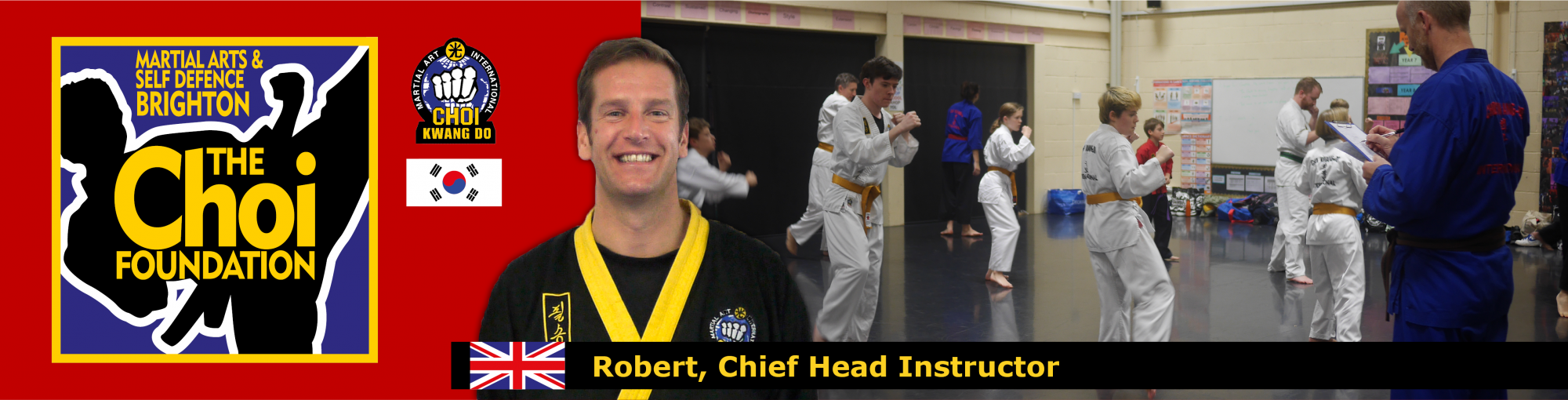
Self Defence in Brighton: Skills to Keep You and Your Family Safe
Self-defence in Brighton: Skills to keep you safe. Feeling safe is something every family deserves. Whether you’re walking home after school, commuting through the city, or enjoying Brighton’s parks and seafront, knowing basic self-defence principles can help you stay aware, confident, and prepared.
Choi Foundation, Choi Kwang Do Self-defence is about much more than physical techniques. The most effective protection often comes from awareness, prevention, and making smart decisions before a situation escalates. Many self-defence instructors emphasise that avoiding danger is always the first goal.
Why Self-Defence Matters for Families
Modern self-defence training teaches practical skills that can benefit adults, teenagers, and children alike. Family-focused programmes often combine:
- Situational awareness
- Conflict avoidance
- Confidence building
- Verbal de-escalation
- Basic escape and defensive techniques
- Physical fitness and mental resilience
Organisations offering family self-defence training in Brighton highlight the value of teaching both parents and children how to recognise risks and respond calmly in difficult situations. Brighton Self-Defence
1. Situational Awareness: Your First Line of Defence
The most important self-defence skill doesn’t involve striking or grappling—it involves paying attention.
Good situational awareness means:
- Keeping your head up when walking
- Avoiding distractions from phones or headphones
- Noticing exits and safe spaces
- Trusting your instincts if something feels wrong
- Staying in well-lit, populated areas when possible
Many self-defence experts consider awareness the most effective way to prevent incidents before they happen.
2. Confidence and Body Language
Confidence can act as a deterrent.
People who appear alert, confident, and purposeful are often seen as less vulnerable targets. Self-defence training helps improve:
- Posture
- Eye contact
- Assertive communication
- Decision-making under pressure
Confidence doesn’t mean acting aggressively. It means appearing aware and prepared.
Brighton & Hove Choi Kwang Do Martial Arts School
3. Verbal Self-Defence and De-Escalation
Physical confrontation should always be a last resort.
Learning how to:
- Set clear boundaries
- Use a strong, calm voice
- Attract attention when necessary
- Create distance from a threat
can often prevent a situation from becoming physical.
For children, this also includes anti-bullying strategies and learning when to seek help from teachers, parents, or trusted adults. Brighton Self-Defence
4. Basic Escape Techniques
Many reputable self-defence classes focus on practical techniques that help people:
- Break free from grabs
- Create space
- Escape safely
- Get to a secure location quickly
The objective isn’t to “win a fight.” The objective is to create an opportunity to leave and reach safety. Self-defence systems such as Krav Maga place a strong emphasis on real-world escape scenarios.
5. Staying Safe in Everyday Situations
Simple habits can significantly improve personal safety:
When Walking Alone
- Stay in well-lit areas
- Avoid isolated shortcuts
- Keep your phone accessible
- Let someone know your route if travelling late
Using Public Transport
- Sit near other passengers when possible
- Be aware of who gets on and off around you
- Move towards staff or busier areas if you feel uncomfortable
For Children
- Know emergency contact numbers
- Understand what to do if separated from family
- Identify trusted adults and safe locations
These practical habits are often recommended alongside physical self-defence training.
Self-Defence and UK Law
In the UK, self-defence must be reasonable and proportionate to the threat faced. Carrying items specifically intended as weapons can have legal consequences.
Community discussions and safety advice commonly stress that awareness, escape, and self-defence training are safer and more practical approaches than relying on weapons.
Self-Defence Training in Brighton
Brighton Self-Defence offers a range of family-friendly self-defence and martial arts programmes.
These programmes typically focus on practical skills, confidence building, fitness, and real-world safety awareness for adults and children.
Final Thoughts
The best self-defence strategy is a combination of awareness, confidence, good decision-making, and practical training. By learning essential safety skills and practising them regularly, families can feel more prepared for everyday situations and develop greater confidence in their ability to stay safe.
Whether you’re a parent looking to protect your children, a teenager gaining independence, or an adult wanting more confidence in public spaces, self-defence training can provide valuable skills that last a lifetime.